
Well Pump Repair in St. Augustine
No water, weak pressure, sputtering faucets, or a pump that will not stop running usually means something in the well system needs attention. We troubleshoot the pump, pressure tank, controls, and electrical components to find the actual problem before recommending a repair or replacement.
- No-Water Troubleshooting
- Pressure Problems
- Pump & Tank Diagnosis
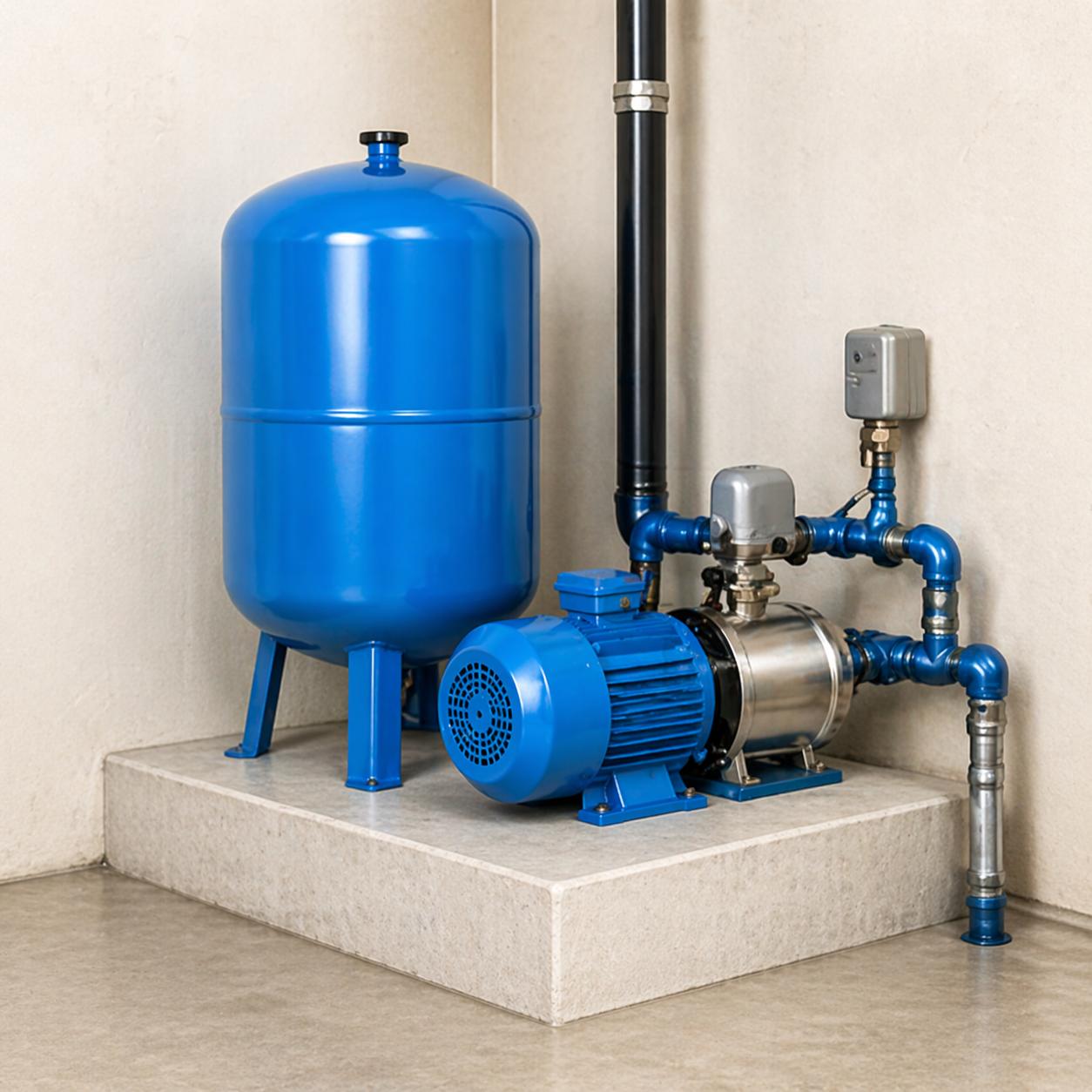
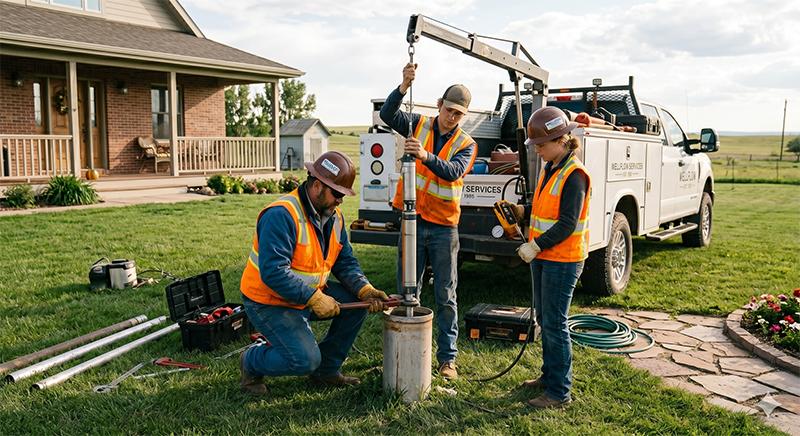
A No-Water Problem Is Not Always a Failed Pump
The pump is only one part of the system. Loss of water or pressure can also come from a pressure switch, control box, electrical connection, pressure tank, damaged pipe, clogged component, or a well that is not recovering as expected.
The right first step is to test the system in order. That keeps a smaller repair from turning into an unnecessary full replacement and helps explain why the problem happened in the first place.
- Confirm whether the pump is receiving power and responding correctly.
- Check pressure, cycling behavior, tank condition, switches, and controls.
- Separate a pump failure from a tank, electrical, plumbing, or well-supply issue.
Signs Your Well Pump System Needs Service
The symptom helps narrow the possibilities, but the same symptom can come from more than one component.
No Water at All
A sudden loss of water can point to power, controls, wiring, the pump itself, a broken pipe, or a well-supply issue.
Weak or Changing Pressure
Low pressure, pressure that fades during use, or sudden pressure swings can involve the pump, tank, switch, piping, or restrictions.
Rapid On-and-Off Cycling
Short cycling often points to a pressure-tank or pressure-control problem and can shorten the life of the pump if ignored.
Pump Runs Too Long
A pump that runs continuously may be struggling to build pressure, losing water somewhere, or dealing with worn components.
Air or Sputtering Faucets
Air in the line may be related to pump intake, water level, leaks, a damaged pipe, or work recently performed on the system.
Higher Electric Use or New Noise
A system that works harder, runs longer, or sounds different may be losing efficiency before it fails completely.
Repair, Replace, or Keep Looking?
The symptom alone does not answer that question. Age, test results, cycling history, pressure, electrical condition, and the condition of the tank and controls all matter.
- Recent, isolated problem: a switch, control, connection, or tank repair may solve it.
- Older pump with repeated failures: replacement may make more sense than continuing to patch the system.
- Unclear cause: test the entire system before replacing the most expensive component.
Questions We Hear Before a Well Pump Service Call
These are the real situations that usually lead someone to pick up the phone.
“The pump keeps clicking on and off. Is it about to burn up?”
Rapid cycling can overwork the pump. A pressure-tank or pressure-control problem is often involved, so it is worth checking before the pump is damaged.
“We lost water overnight. Does that mean the pump is dead?”
Not necessarily. Power, wiring, controls, a pressure switch, a broken line, or the well itself can create the same symptom.
“Another company said replace everything. How do I know?”
Ask what was tested and which readings showed the pump, tank, or controls had failed. A replacement recommendation should be tied to specific findings.
“The water comes back after we wait. What does that mean?”
That pattern can point to recovery, supply, pump-performance, or pressure-system issues. The timing and pressure behavior help narrow it down.
Well Pump Troubleshooting in the Right Order
The goal is to isolate the failed part instead of assuming the pump is the problem because it is the biggest component.
Power, controls, and response
We check whether the system has power, whether the controls are calling for water, and whether the pump responds correctly.
Pressure and cycling behavior
Cut-in and cut-out pressure, cycling speed, and the ability to hold pressure reveal problems that may not be obvious from the faucet.
Pressure tank and connected equipment
A waterlogged, damaged, or improperly charged pressure tank can make a working pump act like it is failing.
Pump performance and water supply
If the controls and tank check out, we look deeper at pump output, piping, drawdown, and whether the well is supplying water as expected.
When a Repair May Be Enough—and When Replacement Is More Likely
This is a general guide. The actual recommendation should come from test results and the condition of the full system.
| What we find | Repair may make sense when... | Replacement becomes more likely when... |
|---|---|---|
| Controls or electrical | The pump tests normally and the failure is isolated to a switch, relay, control box, connection, or other serviceable component. | Repeated electrical failures are being caused by a worn pump drawing improperly or overheating. |
| Pressure tank | The pump is healthy and a failed or waterlogged tank is causing cycling or pressure problems. | The pump has already been damaged by long-term short cycling or is also near the end of its useful life. |
| Pump performance | The pump still builds and holds pressure and the problem is traced to a replaceable connected component. | The pump cannot produce expected pressure or flow, repeatedly trips, or shows clear signs of wear or failure. |
| System age and history | The system is otherwise reliable and this is the first meaningful problem. | Failures are becoming frequent, parts are obsolete, or repair costs are stacking up on an older system. |
Well Pump Problems Around St. Augustine Do Not Always Follow One Pattern
Homes across St. Augustine and St. Johns County can have different well depths, pump setups, pressure-tank sizes, treatment equipment, water demands, and water-quality conditions. That is why the same complaint—low pressure, air in the line, or a pump running too often—can have a different cause from one house to the next.
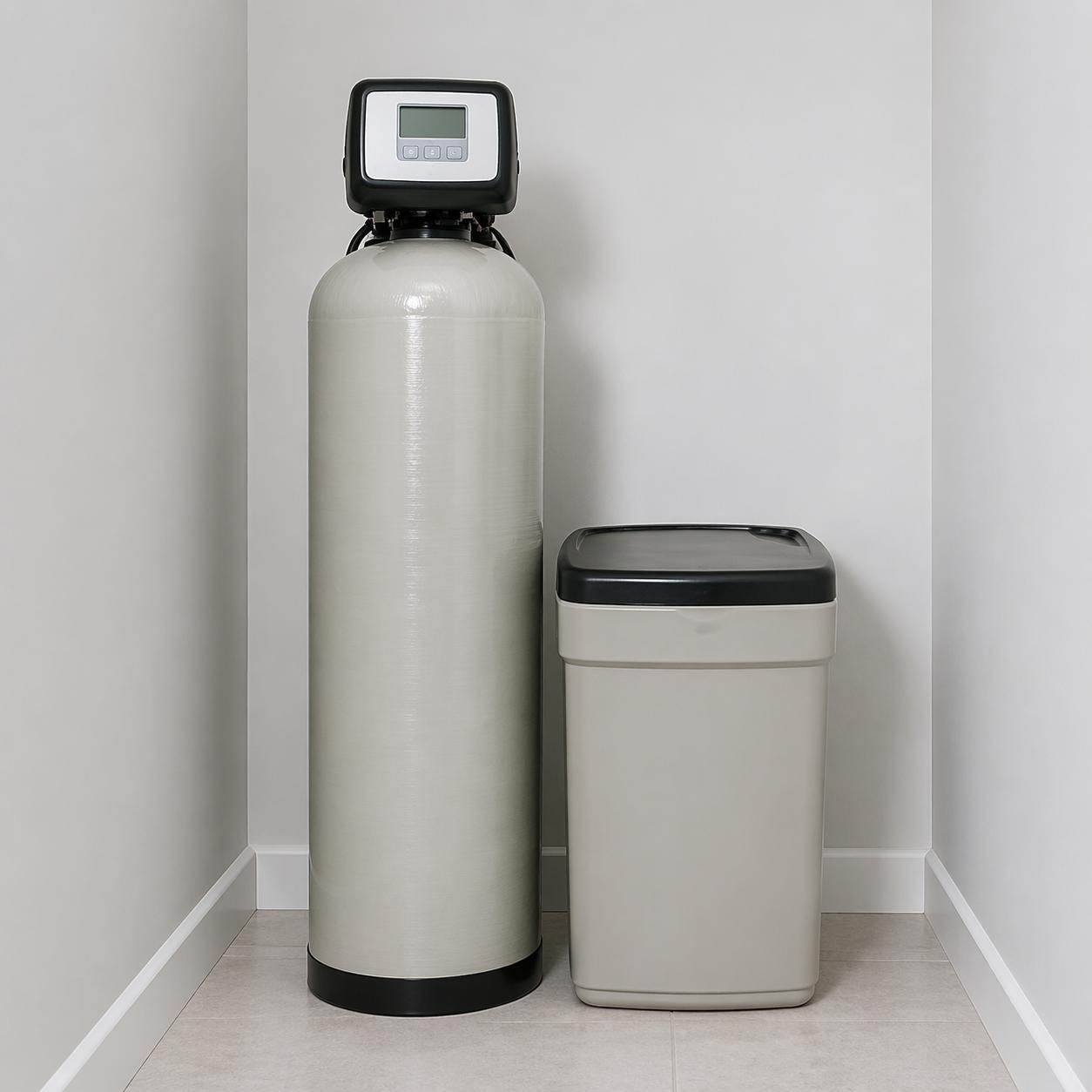
Treatment equipment can also affect how the system behaves. A clogged filter, undersized treatment system, or neglected softener can restrict flow and make a pump problem seem worse than it is. Looking at the system from the well to the tap gives a more useful answer than checking one component in isolation.
Common Questions About Well Pump Problems
Why do I suddenly have no water from my well?
A sudden loss of water can come from power, wiring, a pressure switch, a control box, the pressure tank, the pump, a broken line, or the well itself. Testing the system in order is the fastest way to separate those possibilities.
Why does my well pump keep turning on and off?
Rapid cycling is commonly linked to a pressure-tank or pressure-control problem. It should be checked because frequent starts can shorten pump life.
Can a bad pressure tank make it seem like the pump is failing?
Yes. A waterlogged, damaged, or improperly charged pressure tank can cause low pressure, pressure swings, rapid cycling, and excessive pump run time.
Should I keep resetting the breaker when the pump stops?
No. A breaker that repeatedly trips may be protecting the system from an electrical or pump problem. Repeated resetting can damage equipment and should not replace proper troubleshooting.
How do I know whether to repair or replace my well pump?
The decision depends on test results, pump performance, age, failure history, electrical condition, repair cost, and the condition of the pressure tank and controls. A replacement recommendation should be based on those findings.
Can water-treatment equipment cause low pressure?
Yes. Clogged filters, restricted treatment equipment, or an undersized system can reduce flow. That is why troubleshooting should consider the full setup from the well to the tap.
