Iron & Sulfur Removal in St. Augustine
Rotten-egg smell? Orange stains? Find the cause before choosing equipment. St. Aug Water tests the water, checks your existing system, and helps select treatment for the odor and staining affecting your home.
- Water Testing First
- Filter Repairs
- Whole-Home Treatment
Odor and Staining Need a Diagnosis First
Iron and sulfur can show up together, but they are different treatment problems. Orange staining can point to iron. A rotten-egg smell can point to hydrogen sulfide or activity within the water system. Neither symptom tells us which equipment your home needs on its own.
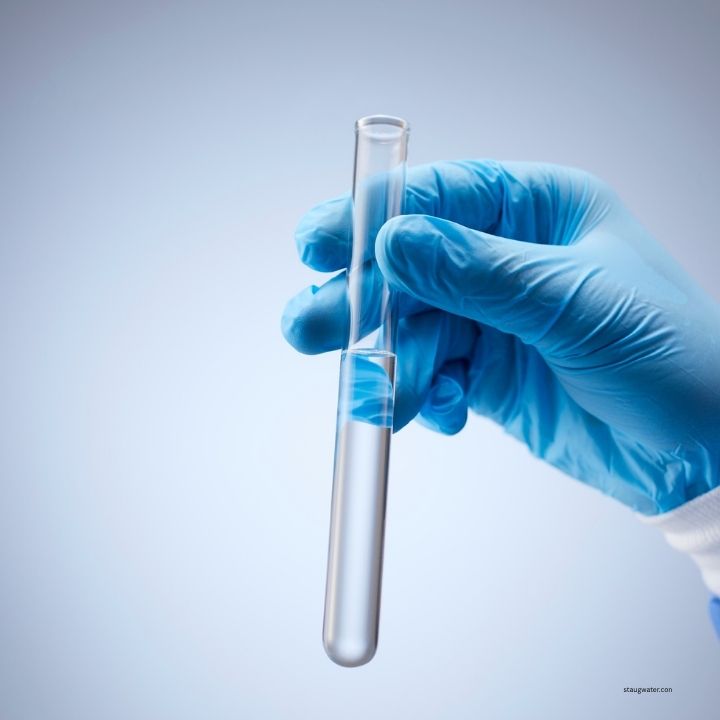
We start with what you notice, inspect the equipment already in place, and compare water before and after treatment. The goal is a clear plan: service what still works, add the treatment that is missing, or replace equipment when the findings support it.
- Tell us where and when odor or staining appears.
- Check the incoming water and the existing treatment.
- Choose equipment and maintenance around the actual results.
Does It Smell on Hot Water, Cold Water, or Both?
These patterns help narrow the inspection. They are clues rather than a diagnosis.
Only Hot Water
The water heater may be contributing to the smell through bacteria or reactions involving its anode. A whole-house filter may not resolve an odor created inside the heater; have the heater evaluated by a qualified professional.
Hot and Cold Water
Check whether the odor is present throughout the home and whether it starts before or after treatment. Incoming well water, plumbing, and existing equipment all need consideration.
One Faucet or After Sitting
An odor strongest at a single fixture or after water sits deserves a closer look at that location and the plumbing. Note whether it changes after running water and whether other faucets do the same.
Returning Stains Do Not Automatically Mean a New System
If your water used to improve and now smells or stains again, tell us when the change started. That history helps us separate a service issue from equipment that was never suited to the water.
- Check the basics: bypass position, valve operation, settings, and maintenance history.
- Check cleaning performance: whether backwashing or regeneration runs properly and has enough flow.
- Check the treatment load: compare incoming and treated water, then assess media condition and capacity.
Choose Treatment From the Water Results
An iron filter should be selected for the amount and form of iron present. Sulfur treatment should follow the odor source and measured conditions. We also account for hardness, pH, and the flow available to run and clean the equipment.
A home with several people using water at once has different flow needs from a lightly used property. Equipment must keep up during normal use and have the backwash flow its manufacturer requires.
What May Be Needed for Iron and Sulfur
We recommend an approach after testing and inspection. Each option has operating limits and maintenance requirements.
Dedicated Iron Filtration
Oxidation and filtration can turn dissolved iron into particles that a suitable filter captures. Media selection, pH, iron concentration, and backwash flow affect whether the system can do the job.
Sulfur Odor Treatment
Depending on the odor source and water conditions, options can include suitable carbon or oxidizing media, aeration with filtration, or chemical oxidation followed by filtration.
A Softener for Suitable Iron Conditions
A manufacturer-approved softener can handle limited dissolved iron while treating hardness. It is not the right place to collect rust particles, and it should not be assumed to solve sulfur odor.
A Coordinated Treatment System
When iron, sulfur, and hardness overlap, separate treatment stages may be appropriate. We check how those stages work together so filtration and softening support the household's flow needs.
Keep What Works. Correct What Does Not.
Service May Be the Right First Step
A system that previously treated the water successfully may need valve or control repairs, corrected settings, maintenance, or media service. We check the cause before recommending a replacement.
Replacement or Added Treatment May Make Sense
Equipment that cannot handle the current water, lacks capacity, is badly damaged, or has recurring costly failures may need replacement. A softener alone may also need dedicated iron or sulfur treatment alongside it.
Questions About Smelly Water and Orange Stains
Why does my water smell like rotten eggs?
A sulfur-like odor can come from the incoming well water, bacteria in the system, or the water heater. Where the smell appears—and whether it affects hot water, cold water, or both—helps guide the inspection.
Can a water softener remove iron?
A suitable softener can handle limited dissolved iron along with hardness when the manufacturer allows it. Rust particles, heavier iron loads, or fouled resin may call for dedicated iron filtration. Testing comes before choosing equipment.
Will a water softener remove sulfur odor?
A conventional softener is not a dependable hydrogen sulfide treatment. Odor needs its own diagnosis; the right solution may involve sulfur treatment or service to the equipment where the smell originates.
Why are orange stains returning even though I have a filter?
The filter may not be designed for the iron in your water, or it may need service. Bypass position, controls, backwash flow, media condition, and changes in the incoming water should be checked before replacing the entire system.
Do iron and sulfur problems require two systems?
Sometimes a correctly selected filter can address both. Other homes need separate treatment stages, especially when hardness is also present. The water results and equipment requirements determine the combination.
Can you repair my existing iron or sulfur filter?
We evaluate the existing equipment first. A serviceable valve, control, or maintenance issue may be repairable. Replacement is considered when the system is damaged, unsuitable for the water, or no longer economical to maintain.
