Water Softener Installation in St. Augustine
Hard water, mineral spots, iron staining, or water that just does not feel right? We test the water first, account for the people living in the home, and size the softener for the actual treatment load instead of guessing from the number of bathrooms.
- Water Testing First
- Proper System Sizing
- Well & Municipal Water
A Water Softener Should Be Sized From the Water
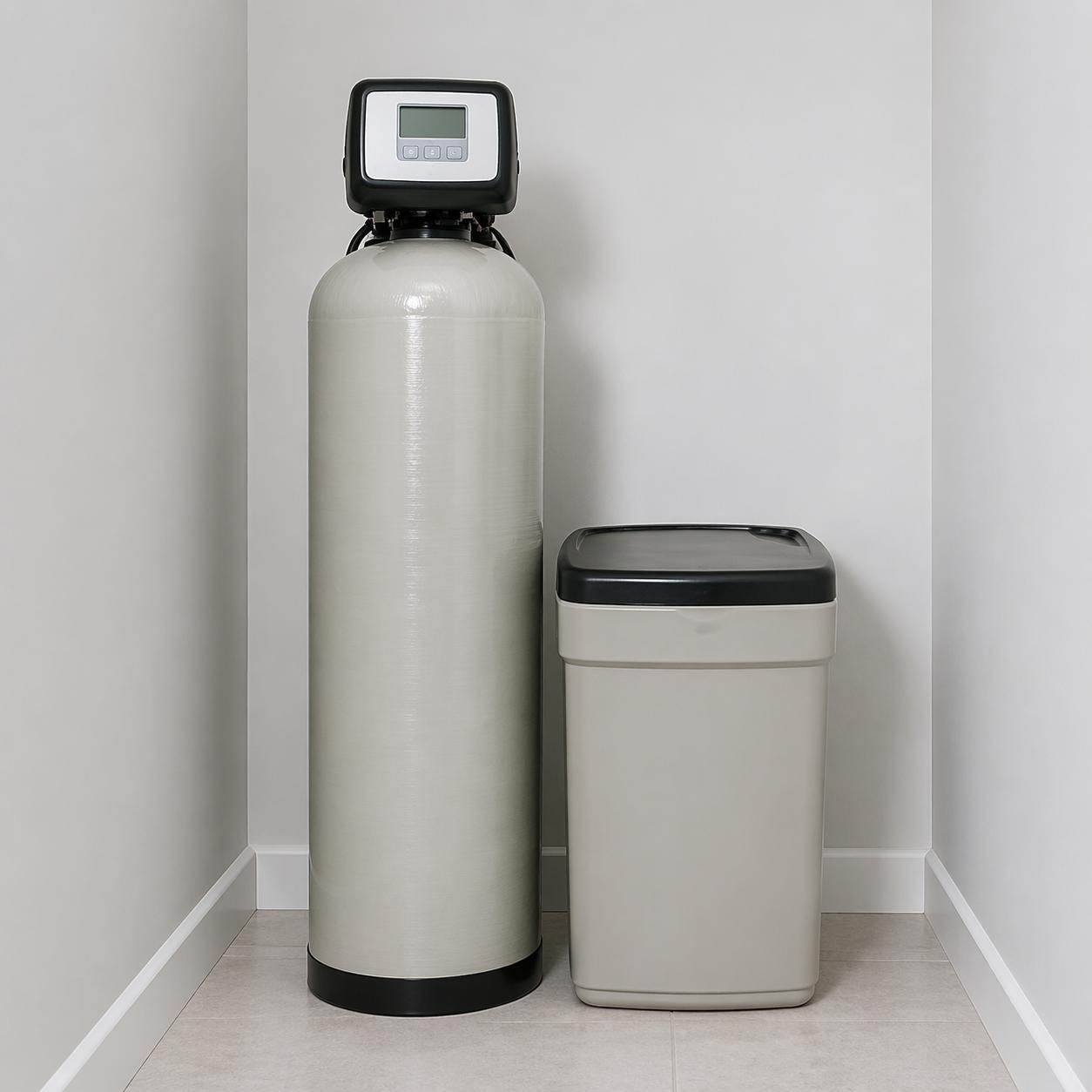
A softener works best when it is matched to the water coming into the home and the amount of water the household uses. On well water, we test first. Hardness and iron both add to the workload placed on the unit, and the number of people living in the home affects how much capacity is needed between regeneration cycles.
That matters because two homes can have the same number of bathrooms and need different equipment. One may have hard municipal water with chlorine. Another may have well water with hardness, iron, and sulfur. The treatment plan should follow the water, not a one-size-fits-all package.
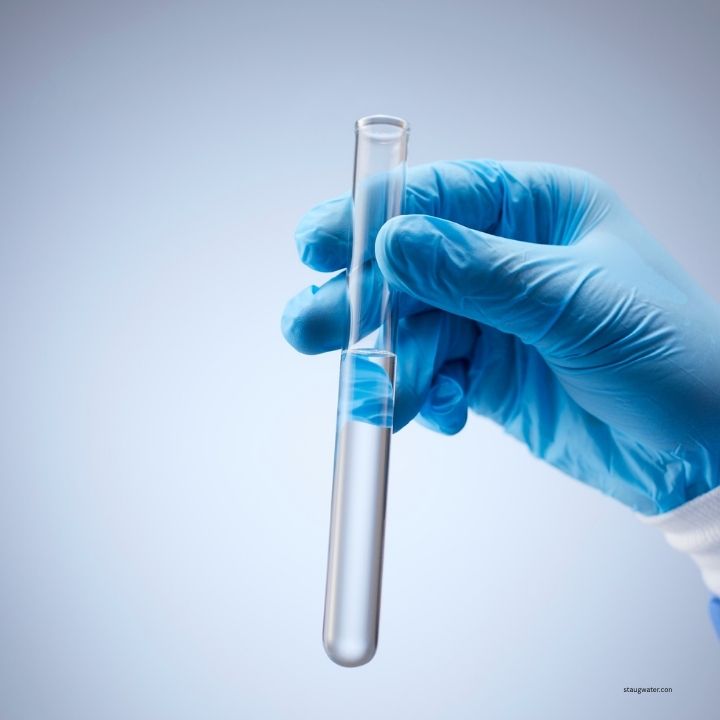
- Test well water for hardness, iron, and the conditions affecting treatment.
- Factor in household size and total treatment demand.
- Decide whether the home needs a softener alone or additional filtration for chlorine, sulfur, or drinking water.
Common Signs of Hard Water Around St. Augustine
Hardness is only one possible water problem, so the symptom is a starting point rather than the diagnosis.
Water Spots
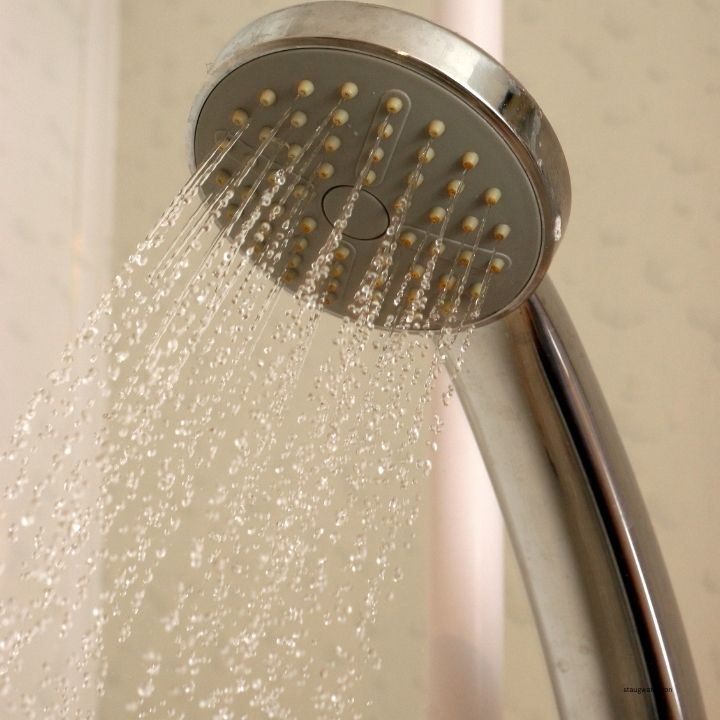
White spots on shower glass, faucets, sinks, and dishes are a common sign of mineral-heavy water.
Scale Buildup
Hardness minerals can collect around fixtures and inside water-using equipment over time.
Iron Staining
Orange or rust-colored staining can indicate iron in the water. A softener may treat some iron levels, but the water should be tested first.
Soap Does Not Behave Normally
Hard water can make soap feel less effective and leave residue on skin, hair, fixtures, and laundry.
Bad Taste or Smell
This does not automatically mean the home needs a softener. Chlorine, sulfur, and other water conditions may require different treatment.
New to Florida Water
People moving from other parts of the country often notice the difference in local water quickly, especially hardness and chlorine.
Softener, Carbon Filter, or Reverse Osmosis?
These systems are often grouped together, but they do different jobs. A home may need one system or a combination.
Water Softener
Used for hardness and, when conditions are appropriate, measurable levels of iron. The goal is actual mineral removal that can be checked with water testing.
Whole-House Carbon Filter
Used when chlorine, taste, or odor needs to be addressed throughout the home. This is especially relevant on municipal or county water.
Under-Sink Reverse Osmosis
Used for drinking and cooking water at a specific faucet. It complements whole-house treatment rather than replacing it.
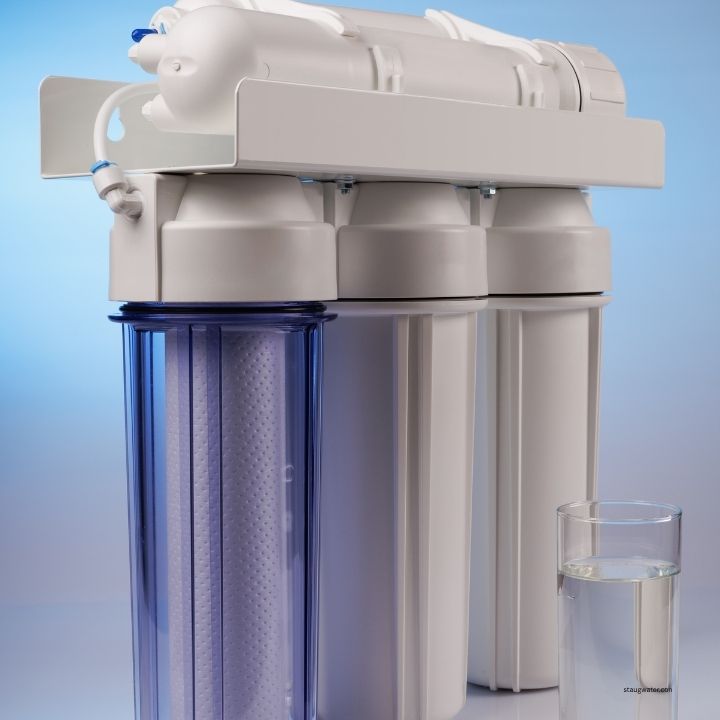
One Home, Three Different Water Problems
One upcoming installation is for a homeowner who moved to the area from up north and is not used to the local water. The home needs more than a softener because hardness, chlorine, and drinking-water quality are separate issues.
Common Water Softener Misunderstandings
A lot of homeowners have already read conflicting advice online before they call. These are the points we explain most often.
“A salt-free system softens water the same way.”
A salt-free conditioner does not remove hardness minerals the way an ion-exchange water softener does. If the goal is measurable hardness removal, we prefer equipment whose performance can be checked before and after treatment.
“The salt just stays in the water.”
The salt is used during regeneration to clean the softener's resin. The unit then backwashes and rinses as part of that cleaning cycle. The salt is not simply dumped into the household water supply.
“Bad-smelling water means I need a softener.”
Not necessarily. Sulfur odor, chlorine, iron, and hardness are different problems. Testing and identifying the source keeps the wrong equipment from being installed.
“Bigger is always better.”
A softener should be sized to the household and the actual treatment load. Oversizing or undersizing without looking at the water can create inefficient regeneration and poor results.
Hardness, Iron, and Household Demand All Matter
On well water, hardness and iron are both part of the sizing conversation. In the systems we commonly work with, a properly selected softener can treat hardness along with iron levels up to roughly 2.5 ppm when the water conditions and equipment are appropriate.
We also look at how many people live in the home because capacity determines how much treated water the unit can provide before it needs to regenerate.
Well Water and Municipal Water Need Different Treatment Plans
St. Augustine Well Water
The recurring issues we see are hardness, iron, and sulfur, but the levels vary from property to property.
That is why we test well water first. A softener may handle the hardness and some iron, while sulfur or heavier iron conditions can require additional treatment.
County or City Water
In local municipal water, we commonly see substantial hardness along with chlorine. A softener addresses hardness, while whole-house carbon filtration is used when chlorine removal is part of the goal.
For drinking water, an under-sink reverse osmosis system can then treat the water at the kitchen faucet.
Water conditions vary by property and water source. Numbers discussed on this page reflect conditions commonly encountered in local service work and should not replace testing at the home.
Common Questions About Water Softeners in St. Augustine
How do I know if I actually need a water softener?
Test the water first. Hardness, iron, the water source, and what the homeowner is trying to fix determine whether a softener is the right equipment or whether another treatment system is needed.
Can a water softener remove iron from well water?
Yes, under the right conditions. In the systems we commonly work with, a properly selected softener can often treat hardness along with iron levels up to roughly 2.5 ppm, but the water should be tested before choosing equipment.
Does a water softener remove chlorine?
No. Chlorine removal is a different treatment job. For homes on municipal or county water, a whole-house carbon filter can be paired with a softener when both chlorine and hardness need to be addressed.
Does the salt from a water softener stay in my water?
The salt is used during the regeneration cycle to clean the resin in the softener. The system then backwashes and rinses as part of that process rather than simply leaving the cleaning salt in the household water.
Do salt-free water softeners remove hardness?
Salt-free conditioners do not remove hardness minerals the way a traditional ion-exchange softener does. If the goal is measurable hardness removal, we recommend equipment whose performance can be verified with water testing.
Do I need reverse osmosis if I already have a water softener?
They do different jobs. A softener treats hardness throughout the home, while an under-sink reverse osmosis system is used for drinking and cooking water at a specific faucet.
